Hello, I’m Jane
Like you perhaps, I’ve had an up and down journey through life.
Today I find purpose in a vision to germinate and grow nonviolent interaction between all of us humans and towards our natural world.

-
#gopeaceable – vision of a global grassroots movement
Imagine a day, not too far off, when each encounter you have is met with empathetic understanding. The person who has mistakenly tail-ended your car, the phone company employee, the government official, the person whose view on vaccination differs from your own, each listen with care to what you have to say. What if, for the first time since the decline of collaboration as the social norm 10,000 years ago, we humans have the wherewithal within easy reach to transition to a collaborative, empathetic and peaceable world?
As I see it, the happy arrival of two widely accessible social tools, Social Media and the Nonviolent Communication (NVC) model changes the ballgame. My vision is that these two concepts used together now open the way for a #gopeacable movement to emerge and ‘go viral’, normalising nonviolent interactions between people across the globe. I’m now looking for two co-visionaries to explore this vision further.

If you feel weighed down by the judgemental labels flung across social media, family dinner tables, political forums, and woven into self-talk, that separate us from each other, you are not alone. Indeed, as Johann Hari points out, “It’s no sign of good health to be well adjusted to a sick society.” What I sense is that people are poised, ready for a transformational way to safely negotiate difference and restore community. When the ship is sinking, passengers search for lifebelts.
Normalising nonviolence could avoid the ship of humanity sinking. After all, the hierarchical model of power over others so entrenched in our society is not the only way. I worked alongside the forest dwelling Ba’aka people, hunter gatherers, in Central African Republic. Like Quakers, the Ba’aka social model is based around collaboration not competition, and their is no hierarchical leadership. We in the West could structure things differently too: research shows our one year-olds are naturally collaborative until they are socialised in childhood to see right/wrong thinking and competion as the acceptable norm. So imagine our common future once organisations, government, school, and business, are redesigned for empathy and collaboration to be the expected standard.

A grassroots social movement with groundswell strong enough to open the way for the emergence of empathy as the norm for the 21st century may seem fanciful, yet it’s surely worth exploring. Let’s consider the ‘seeds of war’ in judgemental behaviour, the power of the Nonviolent Communication (NVC) way of life to transform human interactions, and how social media could role model nonviolence into the furthest reaches of the globe.
“When two people relate to each other authentically and humanly, God is the electricity that surges between them.” Martin Buber
Culture wars about ‘who is right’ and ‘who is wrong’ disconnect us from each other, yet judgemental language is currently normalised and accepted in all strata of society. Perhaps you yourself still view others through a lens of ‘who is right’ and ‘who is wrong’?
In contrast, the NVC model provides a tool to create judgement-free interactions. The approach was developed by clinical psychologist, Marshall Rosenberg (1934 – 2015) out of research into the causes of violence, and how to reduce it. Rosenberg was curious why some people remained non-judgemental and open however those around them behaved; while others shifted into blame, judgement, and retribution. He encapsulated his findings into a practical tool. For the first time, the option of a nonviolent response is in easy reach of everyone for each face-to-face, email, group or social media encounter.

It is not always clear that ‘nonviolence’ is not an absence of something. It’s actually an affirmative choice about how to show up in the world: the ‘Ahimsa’ philosophy behind Gandhi’s movement. ‘Non-violent’ people simply avoid violent acts; those practising ‘nonviolence’ choose their behaviour to build peace. That hyphen makes all the difference!
“All that has been integrated into NVC has been known for centuries about consciousness, language, communication skills, and use of power that enable us to maintain a perspective of empathy for ourselves and others, even under trying conditions.” Marshall Rosenberg
Nonviolent communication is a simple process and easy to learn. With an understanding that all humans share the same array of ‘universal basic needs’ and this is what connects us, practitioners learn to reframe dialogue in a non-judgemental way, following a four-step process: Observation – Feeling – Need – Request. With judgement removed, a person finds it straightforward to honour the needs of ‘the other’ as well as their own, needs often hidden deep below the dialogue.
It’s 5 years since a friend explained how there was an alternative way to relate to others called ‘nonviolent communication’. It was news to me: I’d been brought up to believe winning arguments and tolerating judgements that others came out with was simply ‘how the world worked’. Now that I have adopted this alternative approach to life, judgements from others (and self) no longer restrict my spirit, the bouts of depression that used to burden me have gone, and adopting an NVC approach has made interactions with others so much less stressful.
Take what happened to me last week for example. “Jane, you’re disrespectful and uncaring,” my neighbour, with whom I normally get on well, called out. Years ago, I would have reacted with self-justification, grovelling apology, or verbal counterattack, perhaps all three. No longer. At the core of NVC is the understanding that in every action or behaviour, ‘everyone is meeting their needs the best way they can at the time’, and I recognised my neighbour was doing just that, albeit in a clunky way. For unrelated reasons she’d had a difficult week, and my genuine mistake, not noticing where a friend had parked, had triggered her anger. Though her words were set to push us apart, I could look beneath her words, guessing her hidden longing for connection and empathy, and that was what I honoured. The potential ‘seeds of war’ germinated into deeper closeness.
After developing the NVC approach, Rosenberg initiated peace programs in war-torn nations, held workshops in 60 countries, and set up NVC schools. Today hundreds of NVC trainers across the globe teach this nonviolent approach to life, while many other initiatives such as the Alternatives to Violence Project, Restorative Circles, and Alcoholics Anonymous similarly seed peaceable engagement into diverse communities. At the same time within western society, growing numbers seek to transition to lifestyles in flow with the earth and their peers. Eco-philosopher Joanna Macy calls this shift, ‘The Great Turning’.
“While the initial activity might seem to exist only at the fringes, when their time comes, ideas and behaviours become contagious: the more people pass on inspiring perspectives, the more these perspectives catch on. At a certain point the balance tips and we reach critical mass. Viewpoints and practices that were once on the margins become the new mainstream.” Joanna Macy
Nonviolence still hasn’t mainstreamed though, despite these pockets of peaceable engagement. So that’s where social media, often slammed for its destructive effects on community, comes in. Like fungal mycelia that spread unseen through the soil, social media has the capacity to carry a countercultural message of nonviolence into the heart of every community in the world.
I’ve been spending an hour or two each week over the past two years on Facebook and Twitter, experimenting with NVC. I seek to engage with the angriest or most abusive person I can find and the outcomes are heart-warming. The angry, anti-government gun-toting Republican ‘antivaxxer’ turns out to be an anxious father wanting the best for his pre-schooler; the climate change denier is simply prioritising fears about mortgage payments on his family’s home if he lost his job in the oil-industry. For me, there’s still a sense of wonder every time the dialogue opens up as the other person realises there is no judgement, no ‘being right’ or ‘being wrong’.
There’s a challenge with engaging peaceably on social media though – its countercultural, so can feel lonely and rapidly drains my capacity. In a world geared for people to hold power-over positions, at times when support is lacking, it’s easy to feel like retreating to old adversarial ways. Other times, I find myself on the verge of giving up: pushback feels intense when a person swears, aims to diminish my value, or mocks my words. And while for me the words of Marshall Rosenberg hold true, “There’s no information about the person being judged in a judgment,” it’s not something I’d want others to face alone.
I envisage people coming on board #gopeaceable as self-created three-person ‘seedpods’ to ensure no-one attempts NVC without mutual support. If a person has others to mourn with when things don’t go right, and to celebrate with when they do, they are much more likely to continue with the as-yet countercultural NVC approach to life. Apps could support the movement with online NVC training and access to experienced NVC trainers, underpinned with information crowd-sourced, Wikipedia-style.
“Never doubt that a small group of thoughtful committed individuals can change the world. In fact, it’s the only thing that ever has. ” Margaret Mead
As I see it, a #gopeaceable movement with robust support would reclaim social media as a peaceable public space. (Remember when Facebook was just a way to connect with friends?) Encountering someone who has dropped judgement of others inspires curiosity and seems to be catching. Furthermore, social media provides a perfect practice space for learners of NVC because written dialogue leaves time to think. Imagine the culture of nonviolence reverberating throughout virtual spaces until it spills out across the real world.

And that’s where you may come in. Inspired by the famous injunction of Margaret Mead, I’m seeking two others to join me to meet as a ‘#gopeaceable pod’ online for the next 8 weeks to co-vision how a #gopeaceable movement could take root and grow. Are you one of them?
-
It’s not my rubbish but it’s my community!

“We are the protectors,” Max reminds others as he sets off up the wharf with bucket in hand. Once a month a ‘flashmob’ of locals, liveaboard boaties, and visitors find the 90 minutes ‘Earthcare Opua’ gathering is not only rewarding but surprisingly enjoyable!

Earthcare Opua remains deliberately unstructured. With no-one in charge, newcomers and regulars alike simply assemble in assorted hi-vis with bucket or bag and a protective glove. The group searches for litter across Opua, ‘harvesting’ debris from roadsides, tracks and the wharf. “Knowing what I have picked up may keep a seabird or fish safe, means a lot,” explains Janie, “It’s something practical I do once a month that really makes a difference!”
“I can’t believe all the cigarette butts,” a local says. “I must have picked up 100 or more, including a pile outside my mate’s business! Today I’ve found out butts contain plastic and when seagulls feed them to their chicks, it kills them. That’s so crazy! Tomorrow, I’ll be down to chat with my mate! I bet he doesn’t even realise! Maybe it’s his workers, maybe customers, but a sand can for stubs wouldn’t be hard eh?”
Amongst the liveaboards from the marina, a competitive element develops. “Anyone else find more than a dozen cable ties, ‘cut and dropped’? “ A discussion begins around small bits of rubbish washed by yesterday’s under the hard stand fence. “Another rain and they’d have been floating in the ocean!” says one overseas yachtie who sees the practical impact her work has had. ‘it’s good to help out, and, I’ll be more sparing with cable ties from now on!”
An Aucklander has come with his Opua friends. He’s shocked by the number of pie wrappers he’s picked out of marina gardens! Mainly though, he’s pleased his friends persuaded him to come along. “It’s been great to meet all you guys. I love coming up here and now I’ve done my bit to care for the Bay!”
Earthcare Opua meets outside The Opua Store the first Sunday of each month at 9am. All welcome. *Opua Store and the Marina Café kindly support volunteers bringing a reusable cup with a complementary tea or coffee after the pick-up.
Are you unable to make Earthcare Opua next month but want to do your part to protect the Bay?

Opua Business owners – your business no doubt depends on the health of the sea. Is there something more you can do to support your customers and workers to care for our Bay?
Seafarers – how many cable ties do you really need?
Smokers – could an empty Eclipse Mints tin in your pocket/bag/car be your new ‘butt holder’?
Pie lovers –Would you be willing to consider being a role model for protecting the bay?
Householders – Still taking packaging you dislike home with your purchase? Help businesses step up to their responsibility to talk with their suppliers about earth-friendly alternatives by handing packaging back in at the store. #timetoasksupplierstochange
Jane Banfield is a Paihia grandmother with a passion for the ocean. Her first introduction to yachting was to marry the Kiwi yachtsman who 35 years ago happened upon the remote island school in Vanuatu where she was a volunteer teacher. A keen kayaker, sailor and almost-daily swimmer, Jane is a self-styled ‘zero waste granny’ who has chosen a low impact packaging-free lifestyle and supports others in the Bay of Islands to do the same.
-
Ocean Plastic: Choices for Cruising Yachties


(Pre-Covid19, this article was scheduled for publication in
Opua Yacht Club’s ‘Tell Tales’ : April 2020 issue.)The challenge of plastic in our oceans is confronting. It’d be hard to find a beach anywhere in the world these days free of plastic flotsam so perhaps we as yachties can be part of the solution? What if we set an example wherever we travel through a low-packaging lifestyle to lower our own impact?
in 2019 I joined my brother to cruise around northern Fiji and share the passage to New Zealand. As a one-time yacht owner and offshore passage-maker I chose to chat with fellow cruisers about how they view their own ‘waste footprint’. People expressed concern about the quantity of plastic waste they took ashore for disposal, yet seemed doubtful they could do things differently:
“There’s no choice when you are cruising, things need to be wrapped in plastic to make them last,” one explains. Another well-travelled individual is certain that, “You can’t avoid buying bottled water, local water is not safe to drink,” while others seem certain, “We are not the problem, you should see what others do!”
By 2030, it is predicted there will be more plastic in the sea than fish. Globally, only 9% of plastic is recycled the rest is buried in the earth, burnt or blows, falls or is tipped into the sea. For small island Pacific states and nations favoured by cruisers, chances for effective recycling are even less than they are here in NZ. Dispersed populations, vast distances to recycling plants and lack of waste collection infrastructure exacerbate issues. I see the choice as simple, ‘Do we yachtspeople continue to ignore and add to the problem or will we role model new behaviours for others to follow?’ But first, a story from my time in Fiji to remind us that the effect of our choices may be less clear than we think.
I’m standing in the shade at the start of a coastal walk through the Bouma National Park in Taveuni Island, western Fiji. Two women from neighbouring yachts have joined us and are handing out plastic-packaged, plastic-sticked lollipops to small children from the village. The yachtswomen beam at each other delighted at the reception of their gifts. The little girls seem happy too, smiling shyly as they unwrap this unexpected treasure and drop the plastic wrappings to float away in the offshore breeze.
Whose responsibility is that plastic packaging now in the ocean?
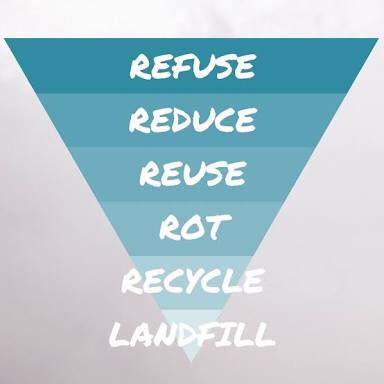
I am certain most cruising yachtpeople desire to be known as trustworthy voyagers who respect and care for ocean ecosystems in which so many others also live and play. An easy first step is to reduce the waste created from an onboard lifestyle. The ‘Waste Hierarchy’ triangle’ (illustrated) provides a simple guide for yacht owners and crew looking for solutions to minimise waste. The most preferable action is at the top of the inverted hierarchy triangle, ‘Refuse’, so that’s a good place to start…
10 items you may ‘choose to refuse’ on board
REFUSE Replace with Comments Storekeeper’s offer of a plastic bag Your own fold-up bag Keep a fold-up shopping bag in your pocket/handbag for unexpected purchases Fruit and vegetables in plastic bags Your own drawstring net bags Make your own out of recycled net curtains or buy a pack. Using your own reusable bags role models making plastic bags obsolete.
Wrapped meat on plastic trays Ask where the local butcher is. Take your own reusable plastic bags/containers or ask for it to be wrapped in paper. Tea bags Loose tea in a pot or individual tea infuser Most tea bags are glued together with plastic adhesive. 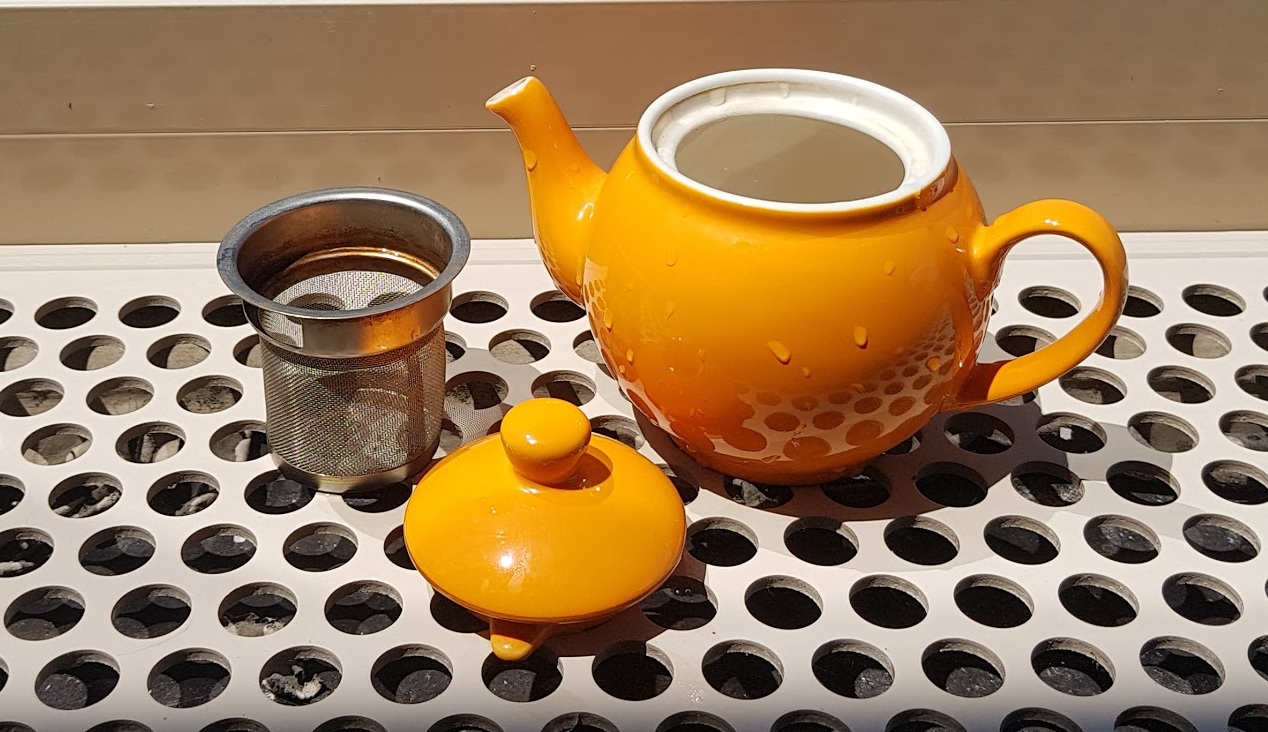
Cleaning products in plastic spray bottles Bicarbonate of soda Sodium bicarbonate is a natural deodoriser and degreaser Plastic clothes pegs Wooden clothes pegs If they do get blown overboard, they will biodegrade. Plastic or paper straws Carry your own reusable one or just use your mouth! To drop cigarette butts on the ground/ in the ocean Carry a portable ashtray, a small screw-top tin or jar. 95% of cigarette butts are a form of plastic. Commonly found in stomachs of seabirds, marine mammals & fish. 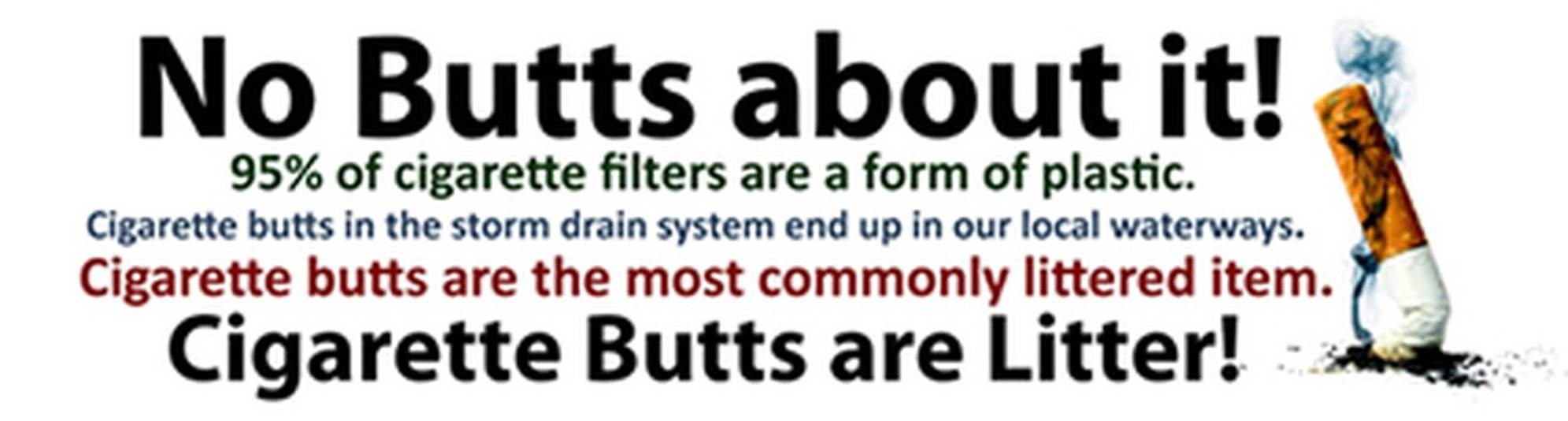
To buy plastic-wrapped sweets, plastic pens, instant noodles as gifts Pencils, metal pencil sharpeners, metal water bottles, local foods in re-usable bags. Consider whether your gift is sustainable and what message it role models. Plastic wrapping around store-bought purchases Leave the packaging at the store when buying new equipment or electronics Take the opportunity to ask the store to request their suppliers switch to packaging-free or eco-friendly packaging In this global world, what we do today on our own boat impacts fellow humans (including those yet unborn) and other species. Years back a wise elder explained to me how, “we have 4 needs: ‘to Live, to Learn, to Love and to leave a Legacy. ‘” If you die in a year’s time, how do you want to be remembered by others? As an indifferent abuser of ocean ecosystems, who met your own needs at the expense of your peers? Or as someone who role modelled a low-impact low-waste lifestyle that many others saw and copied ?
Jane Banfield is a Paihia grandmother with a passion for the ocean. Her first introduction to yachting was to marry the Kiwi yachtsman who 35 years ago happened upon the remote island school in Vanuatu where she was a volunteer teacher. A keen kayaker, sailor and almost-daily swimmer, Jane is a self-styled ‘zero waste granny’ who has chosen a low impact packaging-free lifestyle and supports others in the Bay of Islands to do the same. zerowastegranny@gmail.com
-
Universal Basic Income – get the facts right
Dear Editor (letter to New Zealand Herald 1 May 2020)
While Mathew Hooten’s recent article purports to be an overview of the concept of Universal Basic Income, it is factually incorrect. These untruths distort the picture and devalue the concept.
Hooten’s statement that UBI ‘ would need to be set somewhere just below the current dole’ misleads the public, making it appear that this is a merit-worthy agreed evidence-based calculation. It is nothing of the sort. On the contrary, the base level for UBI is a current topic of political debate.
Furthermore relating it to the word ‘dole’ with the associations that raises is a manipulative attempt to have the public believe there is an issue related to incentives to work. On the contrary, unlike our current ‘dole’ which is reduced if someone gets a job, the whole point of a UBI is that everyone gets to keep it even if they earn income: there is no disincentive to work. The concept of UBI also eliminates stigma during the times of job losses and retraining that are an inevitable part of our future, ensures nobody falls through the cracks, it honours unpaid work such as that of carers and parents.
Moreover, to state that Friedrich Hayek, co-founder of the neoliberal political model, which has led to the massive rise of inequality around the world over the past 30 years, proposed and supported the UBI concept is patently untrue! For Hayek, “some provision for those threatened by the extremes of indigence or starvation due to circumstances beyond their control” was required ‘be it only in the interest of those who require protection against acts of desperation on the part of the needy.’ This is so far from the concept of UBI that Hooten’s statement of Hayek as a ‘prophet’ for UBI is laughable. Conversely, a universal basic income is the opportunity to begin to reset the havoc that the adoption of Hayek’s theories have wreaked on our social, cultural and environmental wellbeing here in New Zealand.
I expect the NZ Herald to take up its responsibility to put these factual inaccuracies straight.
-
WHY WE NEED SINGLE TRANSFERABLE VOTES!
By September this year, the Far North District council must decide between 2 alternative processes for the next local government elections in 2022.
Do they vote to keep the status quo, the current First-Past-the-Post electoral ‘race’ or follow the lead of 11 progressive councils last year, and adopt the ‘Single-Transferable-Vote system?
‘STV’ stands for ‘Simple To Vote’! It’s a fairer more democratic system where every vote for councillors, community board members and for the mayor counts.
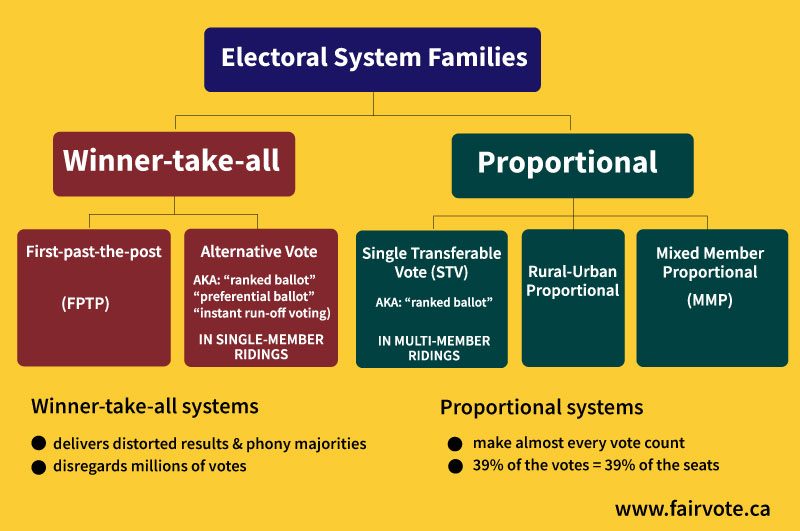
As Professor Priya Kurian, Political Science and Public Policy lecturer at University of Waikato, points out, “STV’s ability to better reflect the will of the entire voting population means it’s more likely to produce councils that look like the communities they represent.” [1] Locals I speak with see a change to STV as well overdue. It’s common knowledge that in last year’s elections, our current mayor received only 29% of the vote while some elected councillors and community board members ‘won’ only 10 or 11% of the vote. The votes of the majority of citizens were wasted.
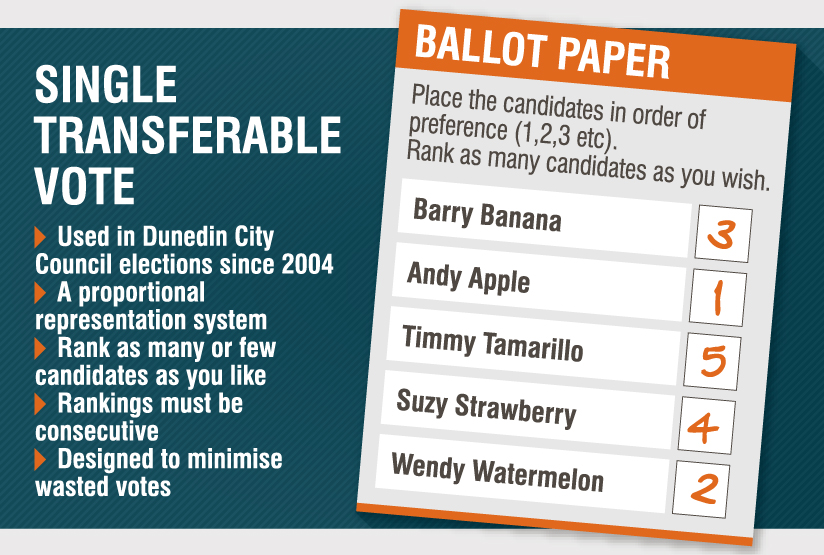
Local government is a two-way relationship. We elect our local government leaders to go into battle on issues that matter to us. Having a more diverse council will lessen the risk of them offending citizens by not understanding their needs and perspectives. Citizens need to be able to identify with the members of Council and their local Community Board to maintain trust that elected members ‘have got their back.
The system only works well when we trust council and community board leaders to meet our needs and they can trust us to support them. For our Council whose services are spread thinly over a vast area, support and collaboration with the general public is essential.
Take the current uproar in communities across the Far North about the actions of Far North Holdings Limited! Furious local citizens of Russell, Opua, and Rangitane view the lack of transparency and consultation over wide-sweeping actions of FNHL as well outside the council mandate they expect. An apparent disregard for the council’s legislated responsibility to ‘promote the social, economic, environmental and cultural wellbeing of communities in the present and the future’ [2] has grown into distrust of the local community board and our district council and a polarised ‘us v them’ approach.
We know STV is more representative, but will council members be willing to change the system that elected them? If ego and complacency in the current system prevents councillors from supporting a change from FPP, a request for a district-wide poll is expected from Far North residents. Its an expensive and labour-intensive option. Why go to all that expense when it simply needs Council members to pass the resolution in favour of STV?
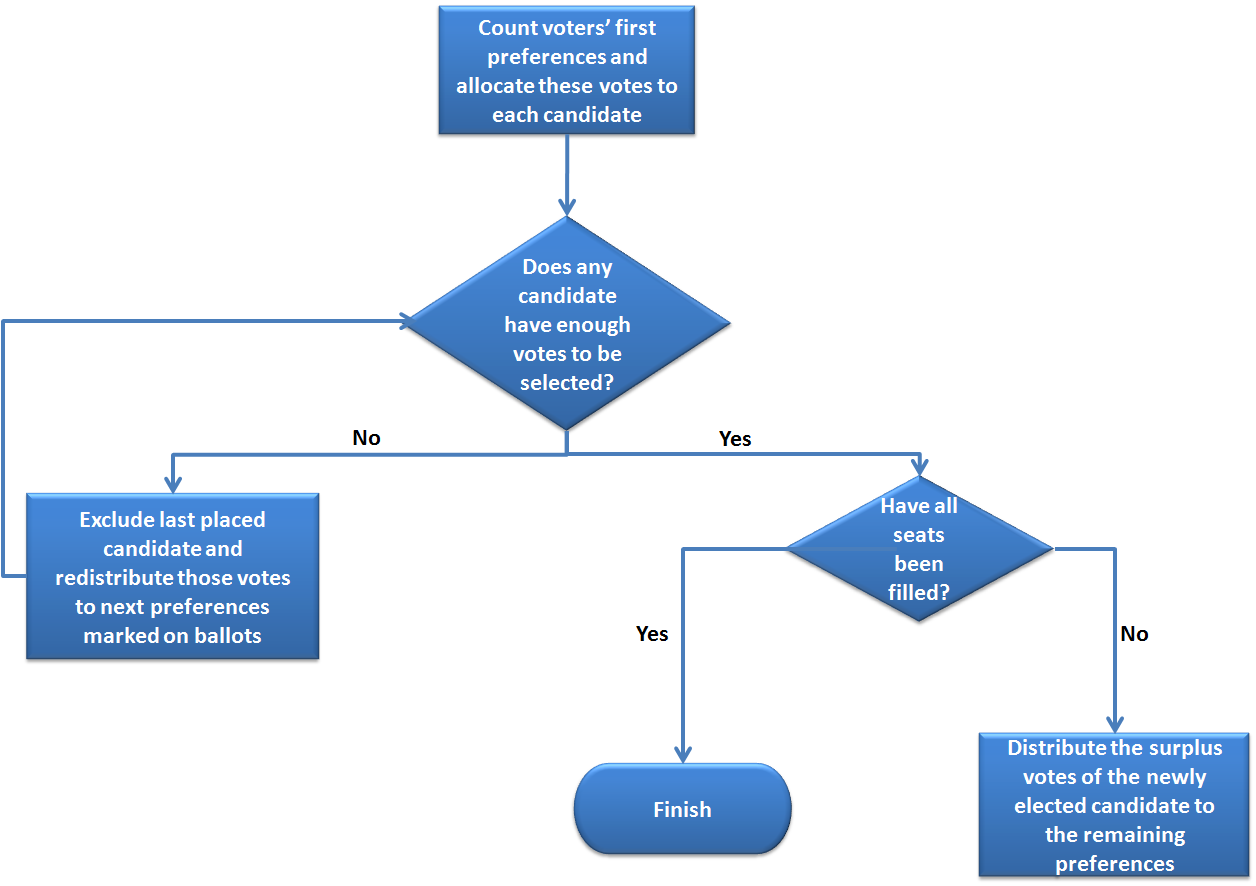
Author, Jane Banfield is a long-term resident of Paihia, a grandmother and a volunteer in the SEA CHANGE movement (www.seachange.kiwi), set up last year to see transformation within Far North local government to address local climate, environmental and community issues. In February 2020, Jane and fellow SEA CHANGE volunteer, Andrew Riddell spoke at the public FNDC meeting to point out the many benefits of a shift to STV.
[1] Professor Priya Kurian, Political Science and Public Policy lecturer at University of Waikato https://www.stuff.co.nz/waikato-times/opinion/115706549/diversity-key-to-responsive-local-government
[2] 2019 Amendment: Local Government Act
-
Post-Covid 19 :‘REPLAY’ or ‘RESET’ ?
Ko Ranginui e tū iho nei
Ko Papatūānuku e takoto nei( From a speech first prepared for Toastmasters meeting online 2 April 2020).
Perhaps like many of you, I’ve been thinking this week of what New Zealand could look like post-lockdown. I’m sure we all heard the British Prime Minister talking about ‘Jenny from New Zealand’ but this week its Sir Keir Starmer, newly elected UK Labour Party leader, that echoes my thoughts:
“When we do get through this, we cannot go back to business as usual, this virus has exposed the fragility of our society…. We know in our hearts, things are going to have to change. …we can see so clearly now who the key workers really are… for too long they have been taken for granted…”I’m want to share 3 areas this morning ripe for change: our taxes, the structure of business itself, and the way we work; and also why as a Baby Boomer I have an important role to play. But first, a story…
A decade ago I meet 2 elderly women acquaintances outside New World. “We’re off to China on a ‘SKI’ holiday’.
“Skiing?” I enquire.
“Spending the Kid’s inheritance,” they reply gleefully!It’s the first time I heard that acronym , ‘SKI’ for ‘Spending the Kid’s Inheritance’ and I’m shocked ! Yet it wasn’t long before I realised that although I thought differently about my own family assets, my own lifestyle was ‘SKI’. Along with my peers, haven’t I been a role model for pushing the earth way past its regenerative limits? I may have personally advocated for reduction of rubbish and the protection of nature, but what we baby boomers had set in motion and i was clearly still part of seemed set on a roll to destruction whether I liked it or not.
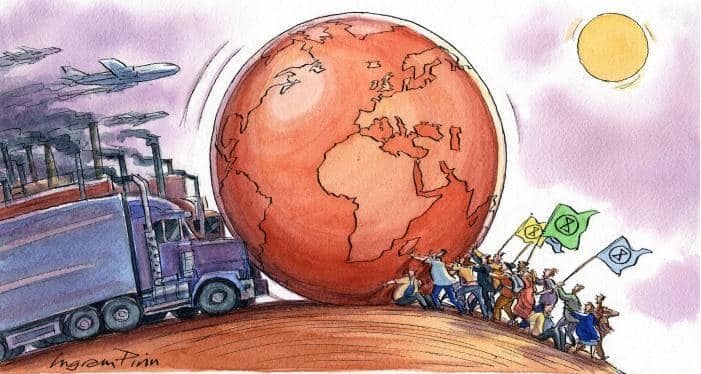
The progressive economist Kate Raworth, author of ‘Doughnut Economics’ is clear how economies need to function – as a ‘safe and just operating space for all of humanity’. When my first grandchild, Harry was born 6 years ago, that safe and just operating space for all humanity was not apparent across my district, let alone my nation and the globe. Yet I felt so powerless.
Now though, the ‘Pause Button’ has been pressed on that pre-lockdown life: the question is, ‘What happens when the pause button comes off?’

I seem to have two choices:
I can press ‘Replay’ and encourage the return to how things were, knowing my years are short and it won’t be me that takes the biggest hit.
Or…
I can join others who choose to press ‘Reset’ and use my lifetime of experience and connections to support systemic change in my neighbourhood, my district and nationally. This may come at a cost to my dreamed of retirement lifestyle but I’m with progressive thinker, Charles Eisenstein: out there is ‘The More Beautiful World our Hearts Know is Possible’.
The first change I support is taxes. Its becoming ever clearer what a vast hole this pandemic has dug in the government’s books, but more borrowing – as i know from personal experience – just makes it harder down track and will create restrictive austerity measures for my children, grandchildren and their peers. No, we must raise taxes and the burden must fall on those who can most afford it, those with bigger incomes and those with more assets.
The top income tax rate is 45% in the UK and Australia, and in Sweden, the top marginal tax rate of 56.9 percent applies to all income over 1.5 times the average. Its time to raise the top rate in NZ – its only 33%.
And NZ is one of few developed countries with no wealth tax. Gareth Morgan proposed a comprehensive Capital Income Tax in 2016, similar to that in the Netherlands and South Korea. I own rental property so this tax on assets is not in my favour. But if it creates a less divided society for my grandsons and their peers, that’s more important at this stage.
Its time to reframe business too. Kate Raworth’s ‘safe and just operating space for all humanity’ means we need to tweak company law to uphold Stakeholder legislation. Its not just shareholders that directors need to be accountable to, its ALL stakeholders. That means directors being answerable to communities, employees, and to human guardians providing a voice both for the natural world and for children yet unborn.
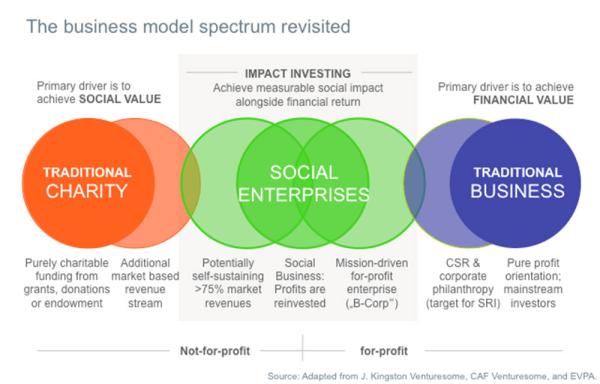 And businesses-with-a- mission, Social Enterprises such as Eat my Lunch need better support. This model where an entrepreneur earns a good salary but retains his soul by using residual profit for social or environmental good, must be encouraged in NZ. Like in the UK, Canada and France, New Zealand needs to provide a separate supoportive legal structure.
And while an ‘Unconditional Basic Income’ for all adults, once seemed like a pipe dream of ‘lefties’ around the world ( and in NZ another wacky idea of the ‘cat man, Gareth Morgan), this week 40% of Kiwis are receiving something very similar – ‘wage subsidies’. Even right-wing governments such as Australia, the UK and the US are doing the same! At what stage did we lose the realisation that we all contribute to sustaining our society? A home-based caregiver looking after their elderly parent, a flax weaver, a mother home-schooling her child, which of these lacks importance? Understanding who have greatest worth in society needs another look as we learn of poorly-paid bus drivers and care workers losing their lives in service to the rest of us. The judgement on who merits a basic income can no longer be a special longevity award for superannuitants: its not just us that are special!
Finally, looking out for today’s children means their parents need to find meaning and dignity in work but balance that with time for family and their community too. Surely it’s a no-brainer to reset the workforce with a ban on non-essential Sunday trading and legislate for a 4-day working week?
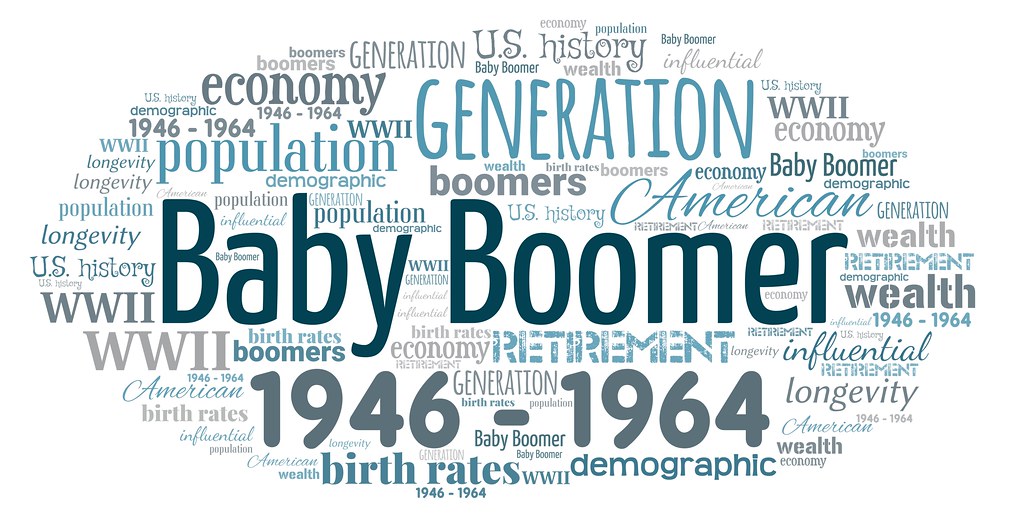
As a Baby Boomer, I’ve had a good innings. To keep the cricket analogy, now is no time for an umpire role or a seat on the sidelines. Pre-lockdown I may have been part of a ‘SKI’ generation’, but a ‘Replay’ is not an option. It’s time to use my amassed lifetime experience and connections to seek out friends, local leaders, national politicians. No doubt increased taxes, tighter company law and changes to the working week will get pushback – for some the pre-lockdown tatus quo was seriously comfortable. So while as a Baby Boomer, I may have had a good innings, the need for a ‘reset’ calls me to head back out onto the pitch.
He waka eke noa.
-
Aaagh! ‘How is (absent loved one)?’
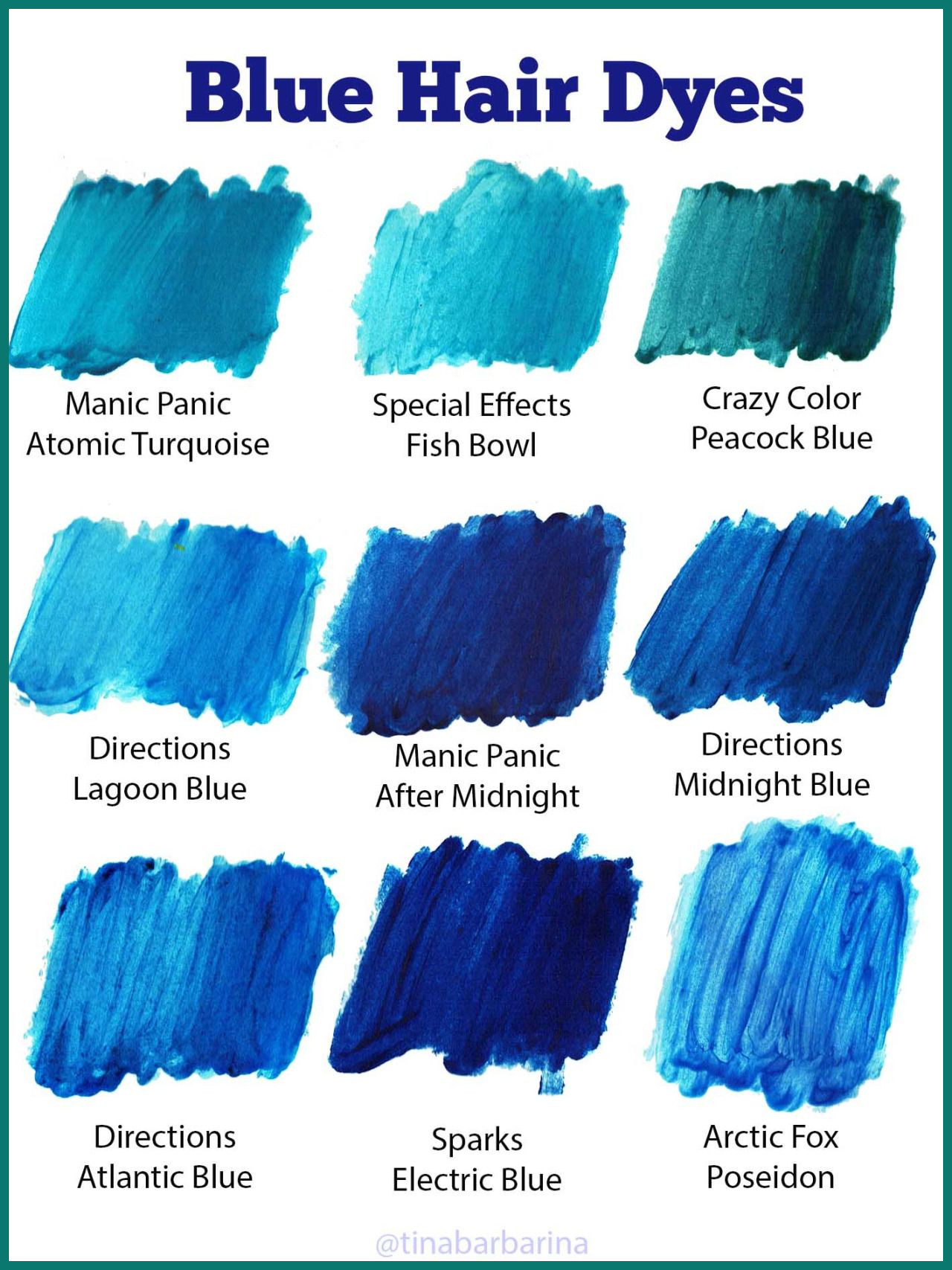
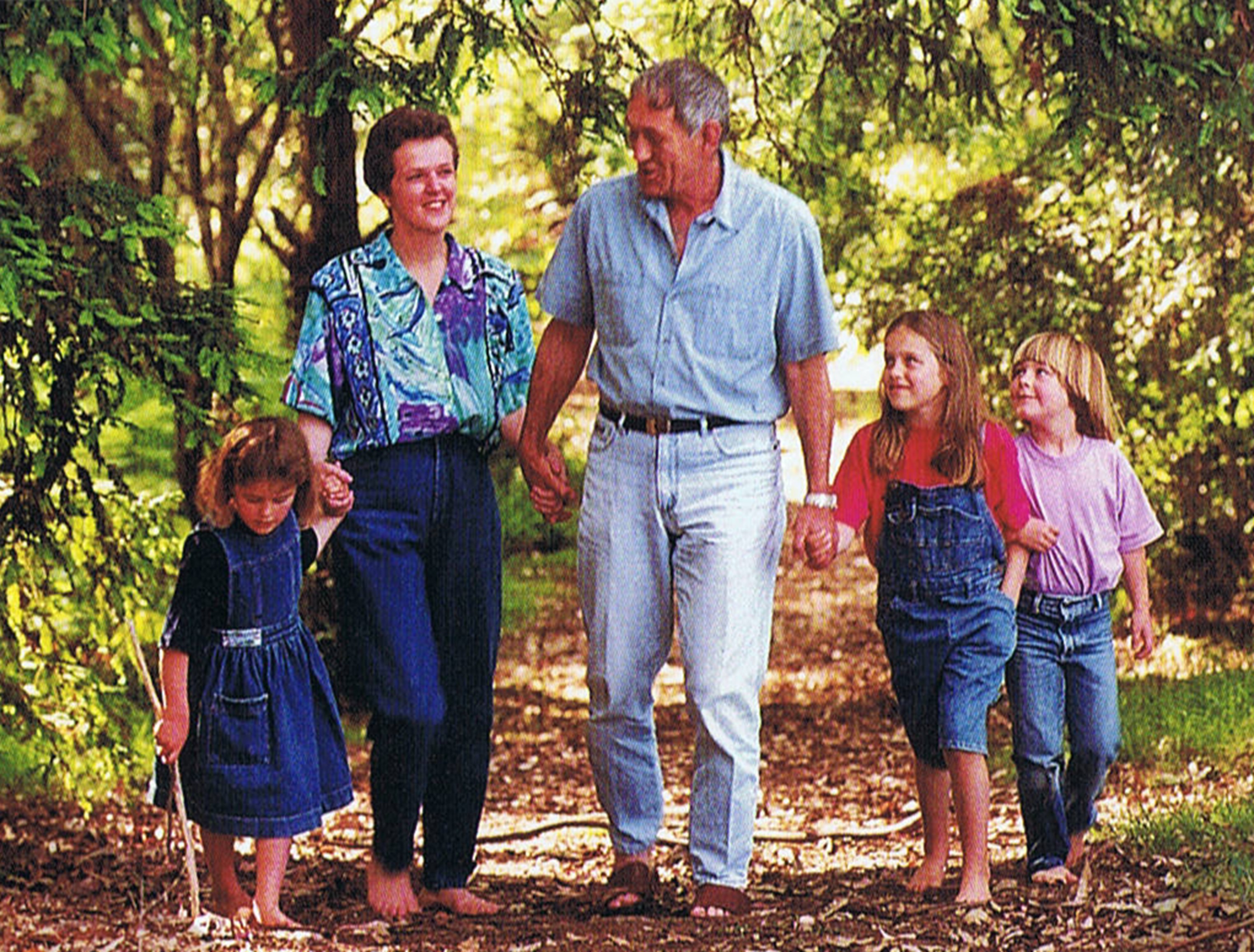
The first time, indeed the only time I have dyed my hair blue, I was a 39 year-old mother of 3 with an ailing husband. Two months previously, Warwick’s diagnosis with an aggressive form of leukaemia had come as a shock: without treatment he has a month to live. The seismic shift that understanding wrought in our plans, our business and our family life seems prescient today given how many families reel under similar shocks within this current Covid19 crisis.
Back in April 1997, it takes just 4 days to re-organise our lives. Warwick and I are only days away from travelling with our 3 girls to the UK to spend time with my mother but after the diagnosis, travel goes on hold. In fact most things go on hold; priorities shift overnight and within days we live in Auckland, the girls are attending new schools, while I accompany Warwick to seemingly endless hospital treatments and blood transfusions.
Now, 2 months on, I am exhausted. Here we are crammed into an elderly 2-bedroom flat in Auckland. In between tending to sheet changes for my weakening husband’s night sweats, checking on our business and attempting to keep family life together for our daughters aged 8,9 and 10, I catnap on cushions on the lounge floor. It is a lonely time, buoyed up by the love of my sister-in-law and 2 close friends, but we are far from home and I’m not clear what the future holds.
What turned my hair blue was a frequent query on the phone and from casual acquaintances, “Hi Jane, how is Warwick?” Only in hindsight does the reasoning behind my bright blue hair become clear; at the time I surprise even myself! Four weeks later I feel hugely relieved how the blue colour is all but washed out, lest I be deemed frivolous. Back as a family in Paihia I walk with others to the stone church for Warwick’s funeral.
That well-intentioned question, “How is ….(absent loved one)?” seems to me just as inappropriate in today’s challenging lockdown absences as it was then. I’m want to share how I reacted back then before I suggest what I would have found more helpful.
The ‘How’s Warwick?’ query hits my exhausted nervous system like a red hot arrow. My mind races through a series of possible responses. ‘Am I expected to assuage their fears (I have enough of my own) or is the enquirer checking whether I am conversant enough with what is happening to my husband to make good decisions? Are they assessing whether they need to help him or curious about treatment for leukaemia? Do they expect me to explain hospital processes? Or perhaps the enquirer is hopeful Warwick was now fine, in which case will I disappoint them if I am honest about how desperately sick he is? Whatever it was they are looking for, I feel my capacity even further drained in attempting to respond with care.
I didn’t know then what I know now. In my exhausted state from multitasking school, business and caregiver commitments, my instinctive move was to change my hair colour to a striking shade of blue! “Can’t you see me?” I wanted to say. “Please don’t ask me to return me to that place where I feel so fearful, powerless over what happens to my husband, and scared for my family’s future. Isn’t it enough that I spend so much time with that pain in the sleepless early hours, in the hospital waiting room and while while our kids play?” Back then I didn’t know how to set my boundaries, to explain to others, “Please don’t probe that sore unless invited!”
If it wasn’t helpful to answer that question, what did I long for? It’s simple really: I wanted someone to ask how I was. To ask, “How are you, Jane, given that Warwick has been sick for so long?“ That would have worked for me: I’d have felt loved and cared for and been able to respond about things that I could control. I was managing as best I could to meet the family’s needs, what wasn’t going so well was meeting my own. What I needed was recognition, to know others had faith in me, I didn’t want to be a powerless victim looking for rescuing, I just wanted to know I had allies who I could level with, who trusted me and understood how I was finding things.
In this new Covid19 era, with my daughters far away, I recognise the same sense of powerless over caring for their health and wellbeing. Yet this time around, when someone asks me, “How’s (absent loved one)?” which has happened several times already, I feel better equipped to deflect the arrow. To care for myself and honour their intention too, I simply request that they reframe their question: “It works better for me if you ask me how it is for me with ….(loved one ) sick and far away. Would you ask me that instead?”
So far it seems to be working! I’m able to stay out of a black hole of powerlessness and rampaging fear; instead as the person listens with understanding and love about how it is for me and how I feel, it allows me to order my thoughts. Once I can acknowledge how it is for me, I discover ways to care for myself and to reach out to others for what I need, while the caring connection of real friendship deepens between us. ‘He waka eke noa’ /we are all in this together can be felt in the space between us, virtual though it may be. Indeed, this sense of allies who understand how it is for me is currently so affirming, I don’t think I’ll even dye my hair blue.

About Me
The sky is not completely dark at night. Were the sky absolutely dark, one would not be able to see the silhouette of an object against the sky.
Follow Me On
Subscribe To My Newsletter
Subscribe for new travel stories and exclusive content.

